Top 10 Tips: first Ironman 70.3
You signed up for your first Half Ironman race and are feeling those pre-race jitters? Wondering what to expect on race day?
Completing your first Ironman 70.3 is an incredible milestone, demanding careful preparation and a well-thought-out strategy. To help you cross the finish line with confidence and a smile, I’ve put together essential tips for each segment of the race. You’ll also find advice on general race day preparation and what to pack to ensure a smooth, successful, and enjoyable experience.
Swimming
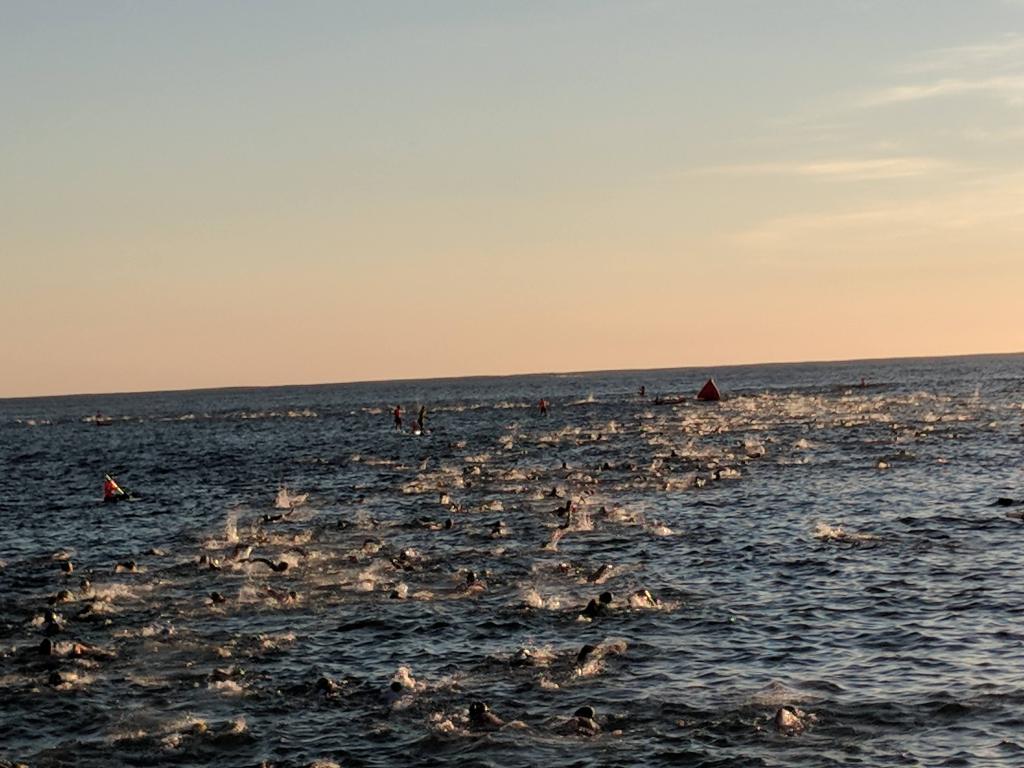
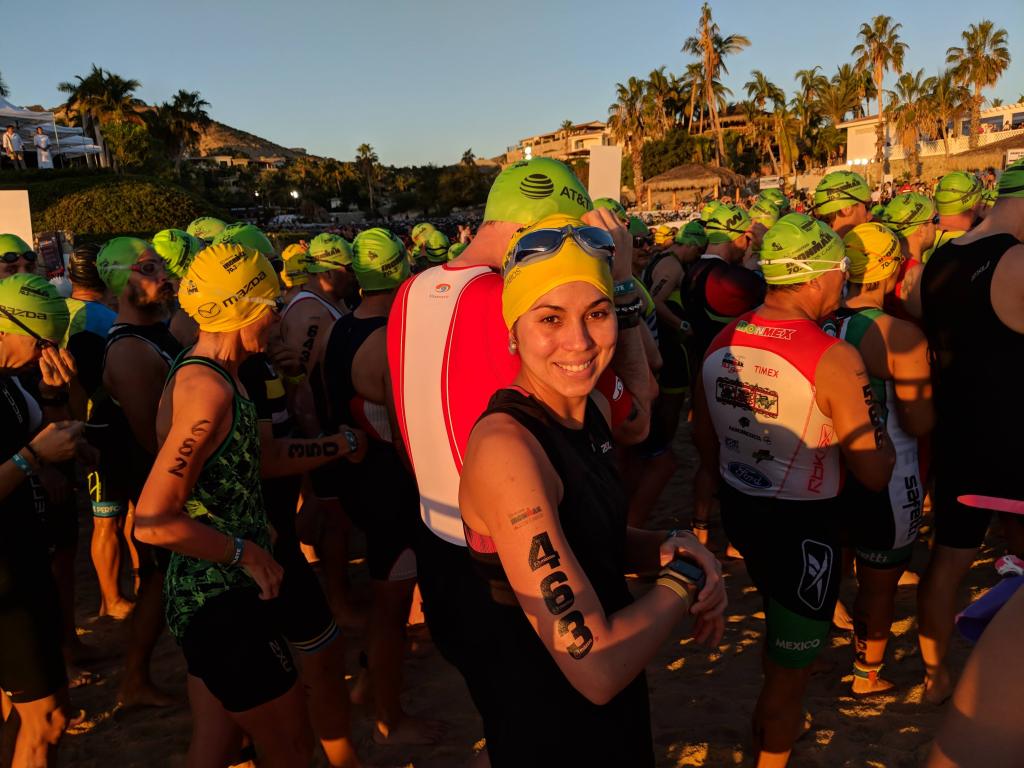
Tip #1: Pool Training is not the same as Open Water Swimming
Being a proficient pool swimmer doesn’t necessarily translate to similar performance in open water. Ironman races often involve swimming in the ocean, lakes, or reservoirs, each presenting unique challenges compared to the controlled environment of a pool. While pool sessions are excellent for refining your stroke and improving pace, it’s essential to incorporate open water swims into your training schedule whenever possible.
Open water environments, especially the ocean, can be vastly different from a pool. Visibility might be low, even with goggles, and natural elements like waves and currents add extra resistance, demanding more energy. Salty water can lead to dehydration, and the inability to stand and rest anytime adds a mental challenge.
To get comfortable by race day, try to practice in conditions similar to your race’s setting- whether that’s a lake or the ocean. Get used to navigating without lane lines, and learn to sight landmarks or buoys to stay on course.
Always prioritize safety! Swim with a partner or a group, never alone. Consider using a brightly colored safety buoy, which serves multiple purposes: it makes you more visible to boats, provides something to rest on if needed, and can store valuables, keeping them dry and secure. Remember, safety and preparation are key to a successful open water swim in your Ironman journey.
Tip #2: Don’t Underestimate the Importance of Anti-Chafing Cream-It’s Essential for Everyone!
Chafing isn’t selective about body types; whether you’re in peak condition or carrying a few extra pounds, your tri-suit can and will rub against your skin, leading to painful irritation or even skin loss. Despite my initial skepticism as someone with a slim build, I learned this lesson the hard way. After one race, removing my tri-suit revealed a painful reality—areas of skin on my thighs, where the suit ends, were severely rubbed raw.
To prevent this, it’s crucial to apply a generous layer of anti-chafing cream or petroleum jelly to any area that your tri-suit covers. Yes, you might feel a bit sticky, but the comfort and protection it provides are invaluable. I personally recommend using a product like Body Glide’s Anti-Chafe Balm. A single application on all potential friction points before starting the race is usually sufficient. Trust me, your skin will thank you later, and you’ll avoid the painful aftermath I endured.
Tip #3: Invest in a Triathlon Smartwatch
A specialized triathlon smartwatch is invaluable, not just for monitoring your progress during training but also for helping you stay on track with your timing goals and adhering to race limits on the day itself. When choosing a watch, ensure it’s equipped for open water swimming – a crucial feature that distinguishes triathlon watches from standard models. Additionally, it should seamlessly transition between tracking your swimming, cycling, and running activities.
Garmin stands out as a leading brand in this category, with models like the Fenix 7, Forerunner 965, Forerunner 945, and the Epix Pro being top choices among triathletes. These watches are designed with the multisport athlete in mind, offering robust features that cater to the unique demands of each triathlon segment. From precise GPS tracking in open waters to detailed cycling dynamics and advanced running metrics, investing in a high-quality triathlon watch can significantly enhance your training and race performance.
Tip #4: Opt for Durable, Zinc-Based Sunscreen
Enduring the sun for over five hours during a race necessitates a sunscreen that can keep pace without frequent reapplication. A zinc-based sunscreen like ThinkSport is my go-to choice; it’s formulated to last through the entirety of a race, sparing you the concern of mid-competition reapplications. While it leaves a white residue on your skin, this is a small trade-off for comprehensive sun protection.
It’s vital to remember that sunburn does not discriminate by skin tone. From my experience as a Hispanic Native American, I know all too well that while my skin may tan easily, prolonged exposure without protection can still lead to discomfort and damage. Before the race, apply a generous amount of sunscreen to all exposed areas, including your shoulders and legs. This step is essential, regardless of how resilient you believe your skin might be to the sun. Protecting your skin is not just about preventing sunburn; it’s also about long-term health and ensuring you can enjoy many more races to come.
Tip #5: Energy Gels Can Be a Game-Changer for Your Race Day Fueling Strategy
Proper fueling is crucial in endurance races to maintain your energy levels. Among my preferred choices for a quick energy boost are GU Energy Gels, especially in the strawberry banana and tri-berry flavors. They also offer a variety of other flavors, like coffee, catering to different tastes.
It’s essential to refine your nutrition strategy well ahead of race day. Incorporate your race-day nutrition into your training regimen to pinpoint what best supports your performance. My strategy involves consuming an energy gel shortly before the race begins, followed by 3-4 refuelings during the bike segment and 1-2 during the run. Timing these at regular intervals—every 30 to 45 minutes—is ideal. It’s crucial to avoid waiting until you feel fatigued before taking them, as this can hinder your performance.
Compatibility between your energy gels and hydration strategy is also vital. Some gels may not mix well with certain energy drinks, so it’s important to test this combination during your training. Finding the right balance that works for your body can significantly impact your race experience and performance.
Cycling
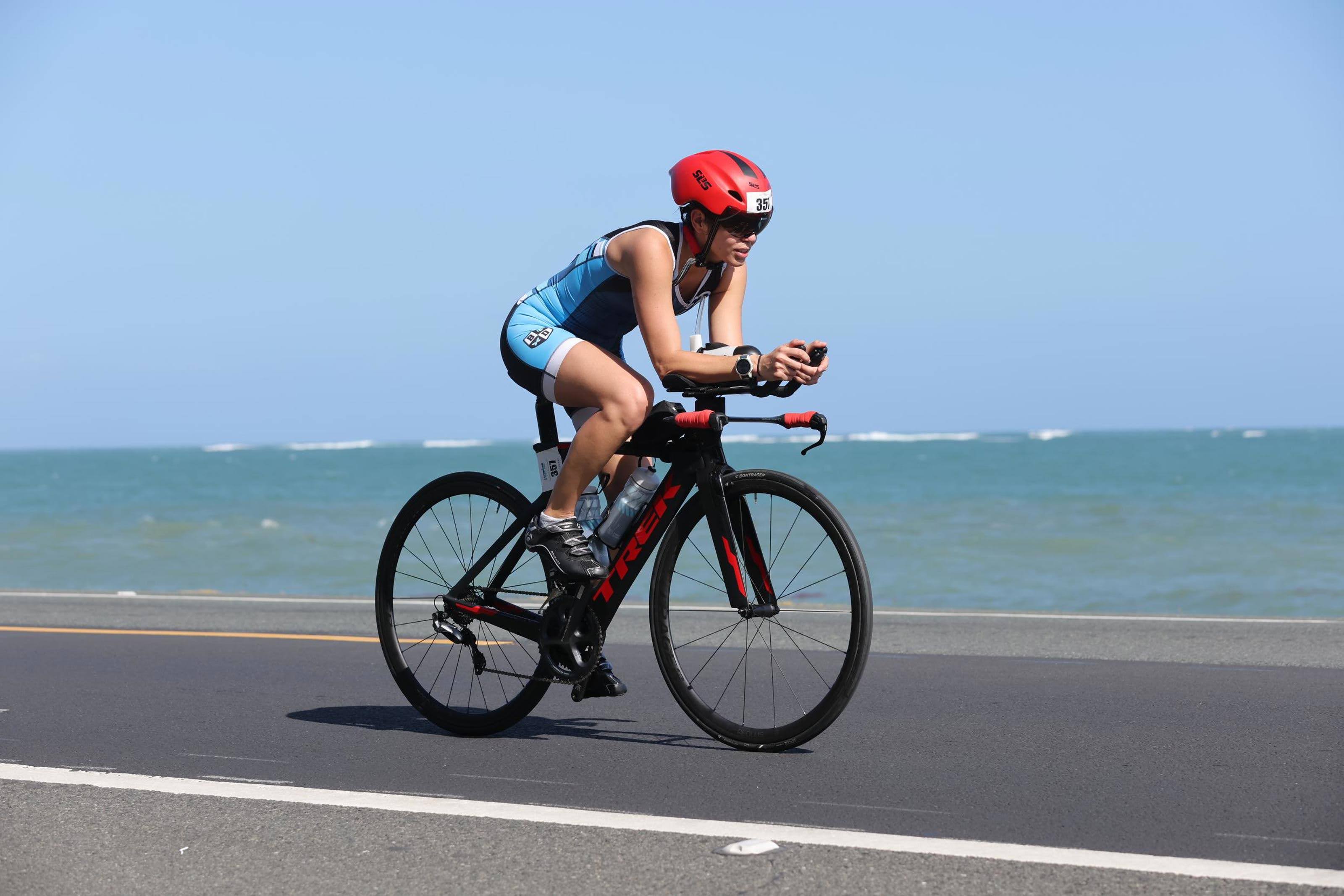
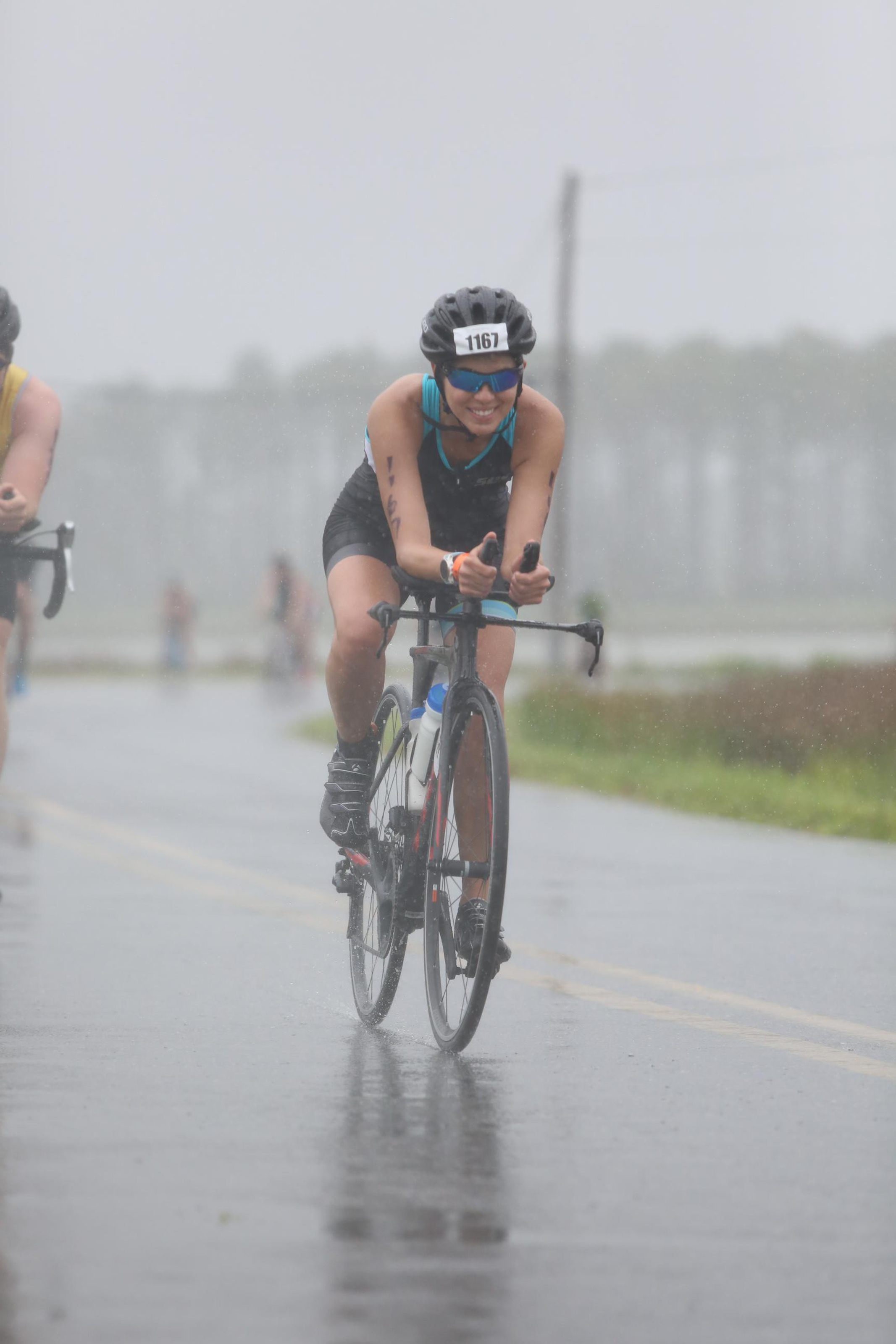
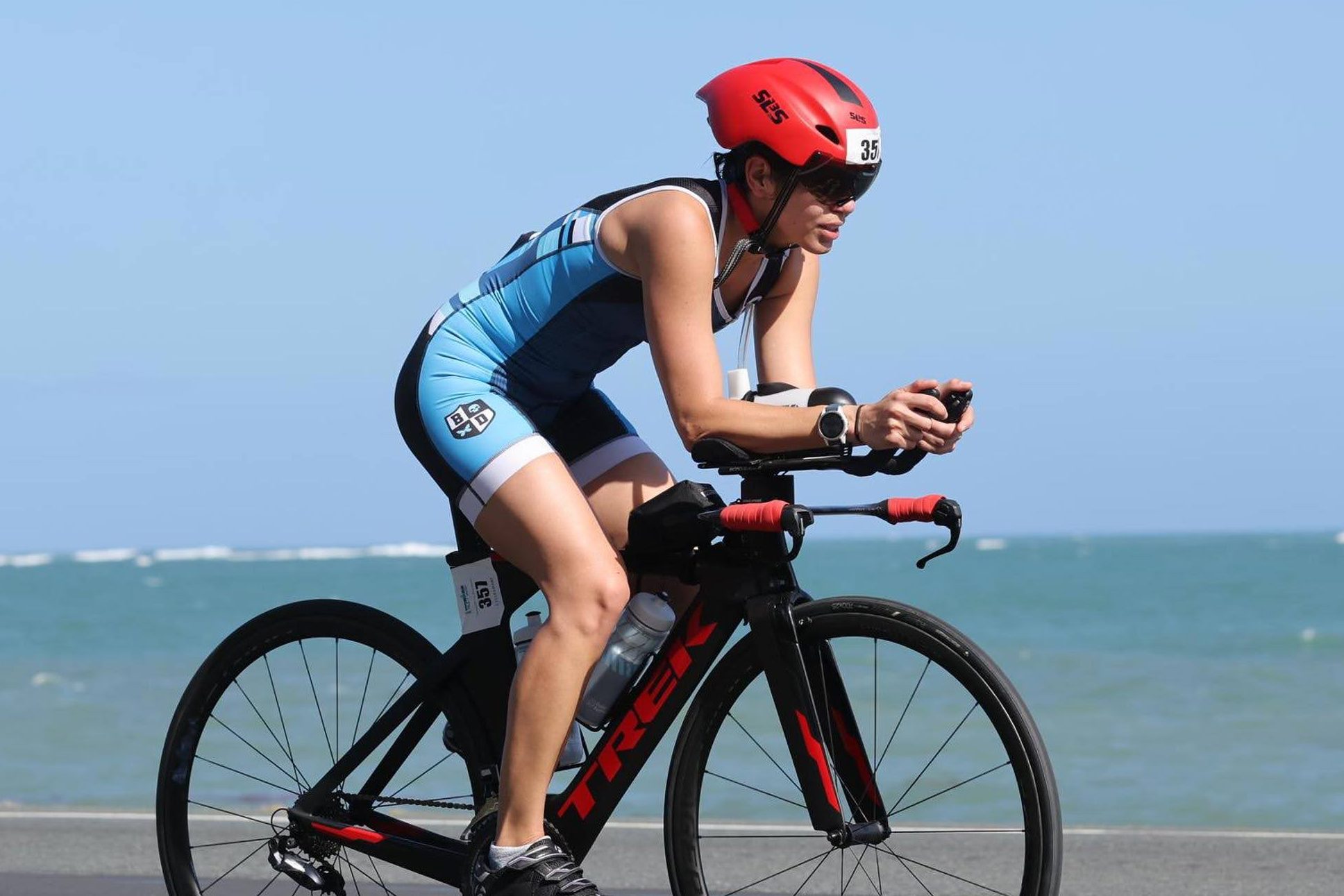
Tip #6: The Game-Changing Advantages of a Tri-Bike
Wondering if investing in a tri-bike over a road bike is worth it for your Ironman race? From personal experience, the answer is a resounding yes. The distinction between the two can greatly impact your performance, especially in the transition from biking to running.
Tri-bikes are designed with a seat tube angle of approximately 78 degrees, compared to the 72 degrees typical of road bikes. This seemingly small difference has a profound effect on your riding posture. It positions your hips forward, reducing the strain on your quads and hamstrings. As a result, when you switch from biking to running, your legs are less fatigued, feel stronger, and adapt quicker to the change in movement.
For those hesitant about committing to a tri-bike long-term, consider renting one for race day. However, remember that adapting to a tri-bike’s configuration takes practice. Tri-bikes encourage a more compact, aerodynamic position through the use of aero bars, which can initially feel less stable than the more open posture on a road bike.
A crucial aspect of your tri-bike experience is ensuring it’s properly fitted to your body. Comfort and efficiency over the 56-mile bike segment are paramount, and a professional fitting at a bike shop can ensure your bike is tailored to optimize your performance.
Training across diverse terrains and weather conditions is essential, as race day can bring the unexpected. It’s particularly important to prepare for wet weather-practicing in the rain not only acclimates you to the challenges of poor visibility and slick surfaces but also helps you refine your technique for safer, more efficient performance. When cycling on wet roads, consider slightly reducing your tire pressure below the recommended level. This adjustment increases the tire’s contact with the road, improving grip during turns and reducing the risk of skidding. Such preparation ensures you’re ready for whatever conditions race day presents, allowing you to compete with confidence and safety.
Tip #7: Optimize Hydration with a Strategic Bottle Setup on Your Bike
The cycling leg is not only the longest part of a triathlon in both distance and duration, but it also offers fewer opportunities for refueling. To ensure you stay hydrated and energized, equip your bike with at least two bottles: one filled with water and the other with a sports/energy drink mixed with electrolytes.
For aerodynamic and convenience reasons, I recommend mounting one bottle between your aerobars. This setup often allows for a bottle design that includes a straw, enabling you to drink comfortably while maintaining your aerodynamic position without needing to adjust your grip or posture. Another effective setup is placing bottles directly behind your bike seat, which provides easy access and minimizes wind resistance.
Choosing the right bottle placement can significantly impact your hydration strategy’s effectiveness, helping you maintain optimal performance throughout the bike segment and preparing you for the transition to running. Staying well-hydrated is crucial for peak performance, so plan your bottle setup thoughtfully to match your needs and preferences.
Running
Tip #8: Streamline Your Transition with a Running Belt
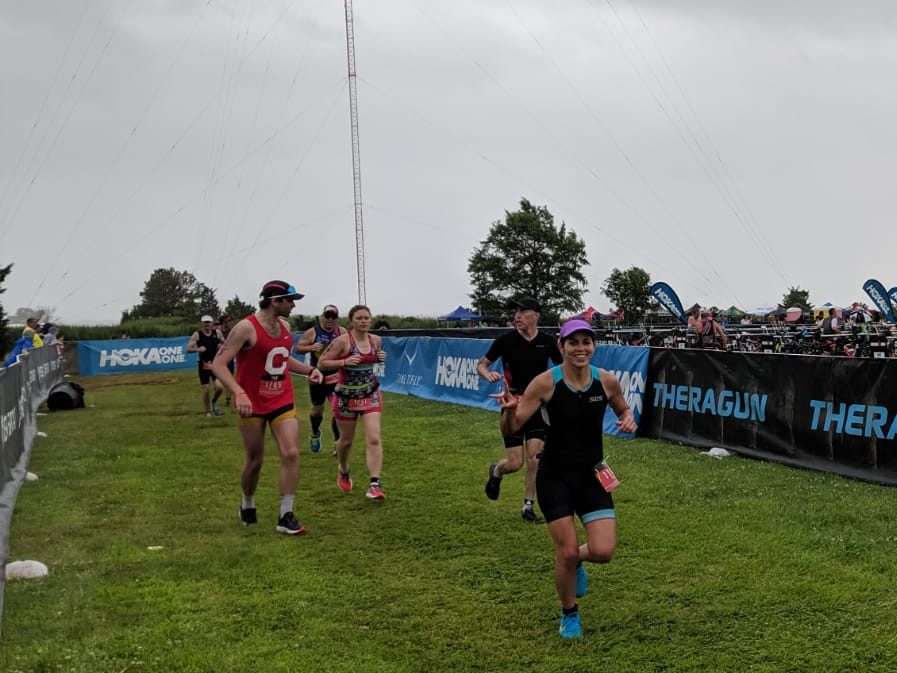
Transitioning to the run, the final leg of the triathlon, can be made more efficient with a running belt. This accessory allows you to attach your running bib quickly, significantly reducing your transition time (T2) from bike to run. The belt typically features a snap attachment for fastening around your waist, eliminating the need to pin your bib to your trisuit directly. On most races you will be wearing a trisuit throughout the entire race, a running belt is not just a convenience but a strategy to minimize time spent in transition and get back to your race pace as swiftly as possible.
Tip #9: Protect Yourself with a Cap, Visor, or Sunglasses During the Run
As you embark on the final leg of your triathlon, it’s likely to be the hottest part of the day. Effective sun protection is essential not just for comfort but also to prevent energy depletion caused by overheating or sunstroke. A cap or visor can provide much-needed shade, helping to keep your core temperature in check and allowing you to focus on your performance. Both options are effective for shielding your face from the sun, with the added benefit of reducing glare.
For those who prefer not to wear headgear, sunglasses are an excellent alternative. They protect your eyes from UV rays and reduce squinting, which can lead to tension and fatigue. Ensuring you have some form of sun protection is not just about comfort; it’s a strategic choice to maintain your energy and performance during the crucial final stretch of your race.
Tip #10: Master Your Transitions by Organizing Your Equipment
The importance of transition zones cannot be overstated. Not only do they offer a brief respite, but the time spent here also contributes to your overall race timing. To minimize transition times and keep your focus on the race:
- Transition 1 (T1): Prepare for the switch from swimming to biking by organizing your gear efficiently. Place your bike in the bike rack where you can easily remove (bike seat on the rack) with pre-filled water bottles and helmet on the handles for easy access. Place energy gels, sunglasses (if not part of your helmet), socks (if you wear them), and cycling shoes arranged neatly on a towel. This organization helps ensure a swift and smooth transition.
- Transition 2 (T2): For the bike-to-run transition, have your running shoes, running belt, additional energy gels, and sun protection (hat, visor, or sunglasses) ready. A well-planned layout allows you to quickly change gear and focus on the final leg of the race without unnecessary delays.
Now that you’re gearing up for race day, it’s crucial to know exactly what to pack. Here’s a breakdown of race day essentials across all three segments:
Swimming
- Chafing Cream: Essential for preventing skin irritation
- Sunscreen: Water-resistant, zinc-based, and broad-spectrum
- Tri-Suit: Worn throughout the race
- Wetsuit: If permitted by water temperature. Wear over your tri-suit
- Sports Bra: Gender-specific requirement for added support
- Smartwatch: For tracking your pace and time splits
- Swim Goggles: Choose a comfortable, leak-proof pair
- Swim Cap: Usually provided by the race but bring one just in case
Cycling
- Cycling Shoes: Ensure they’re compatible with your bike pedals
- Socks: Optional, based on personal comfort for cycling
- Energy Gels or Bars: Bring at least 4 to maintain energy levels
- Helmet: Required to race
- Sunglasses: If not part of your helmet
- Bike: Prepped and checked prior to race day
- Pre-filled Bottles: With water and/or an electrolyte solution
- Bike Repair Kit: Attached to your bike, including tools and a spare tire kit
Running
- Running Shoes: Broken in and comfortable
- Extra Socks: Handy if you prefer fresh socks post-cycling
- Running Belt with Bib Attached: For a smooth transition
- Sun Protection: A hat, visor, and/or sunglasses for UV protection
- Post-Race Outfit: Change into something comfortable for recovery
Most importantly, maintain a positive mindset – the race is filled with highs and lows, challenges and triumphs. Remember, staying focused and resilient through every mile is what will carry you to the finish line. The sense of accomplishment you’ll feel upon completing your journey is unparalleled. Embrace each moment, celebrate your hard work, and don’t forget to smile- you’ve earned it. And who knows? Once you’ve had time to reflect on your incredible achievement, you might just find yourself eager to experience it all over again.
 Vivian Pierce